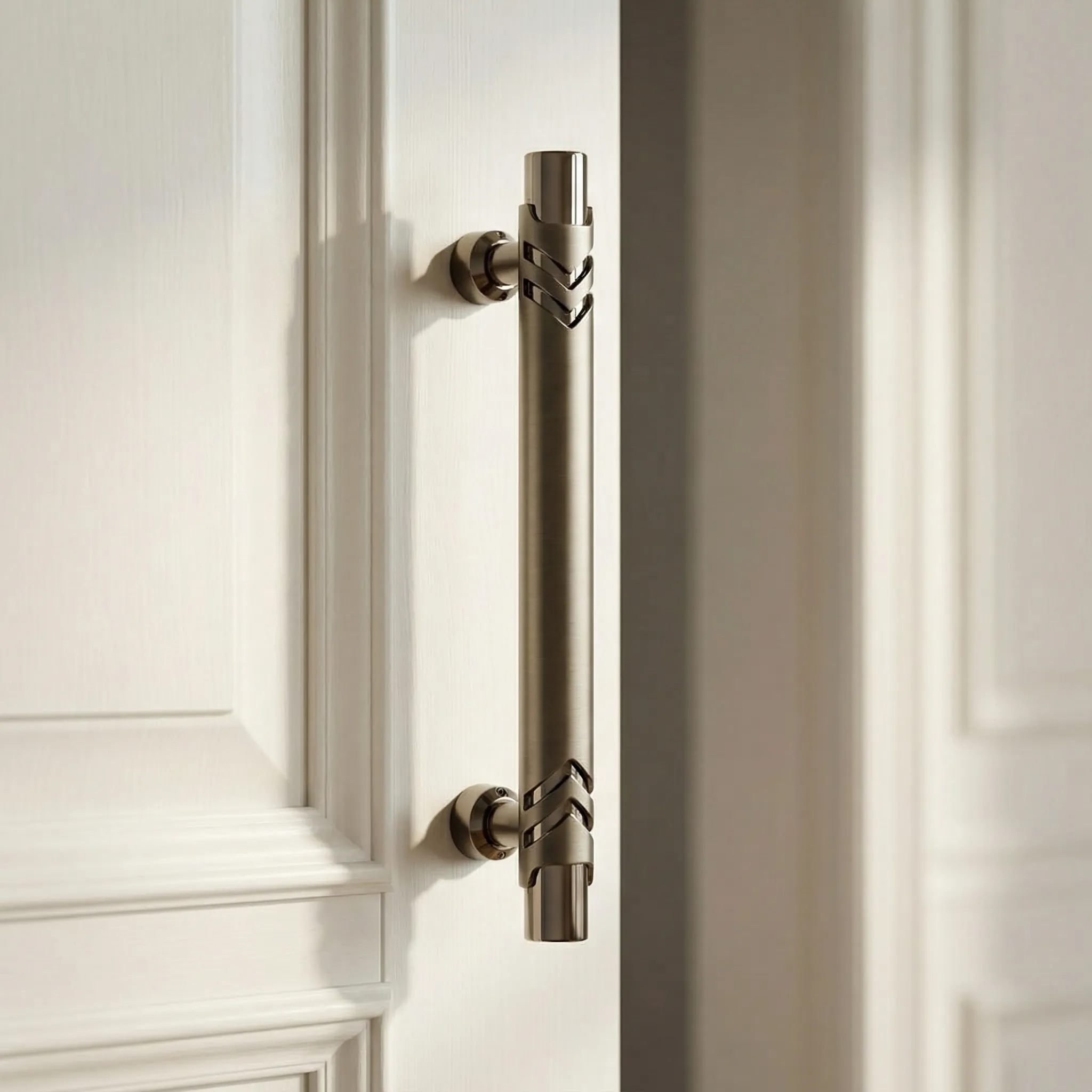


Have you ever walked into a US home or hotel and wondered where the door hardware came from? Chances are, some of it was made in India. Our country is one of the world’s biggest hardware-making hubs, and American buyers are looking for good manufacturers right now.
If you make or trade hardware, exporting door handles can be one of the smartest growth moves for your business. But the USA is a demanding market. Buyers expect consistent quality, strong packaging, and smooth, on-time delivery.
This guide explains everything in simple language, from quality standards to packaging to shipping, so you can start with confidence.
Why the USA Is a Great Market for Indian Door Handles
The USA has a huge construction and renovation industry. Every new house, apartment, office and hotel needs door hardware. Homeowners also keep upgrading old handles for a fresh look.
Here are why Indian suppliers have a real chance:
- Competitive pricing: Indian manufacturers can offer good quality at reasonable cost.
- Strong metal-working skills: India has a long tradition of brass, stainless steel and zinc alloy work, especially in clusters like Jamnagar, Aligarh and Rajkot.
- Customization: Many Indian factories can make custom designs, finishes and sizes for private-label buyers.
- Growing demand for diversification: Many US importers want to buy from more than one country.
So, the demand is there. The real question is how to meet US expectations.
Know Your Product and Choose the Right Material
Before exporting door handles, decide what you are selling. The most common types for the US market are:
- Lever handles (very popular, and preferred in many public buildings)
- Pull handles for main doors and glass doors
- Knob-style handles
- Mortise handles and handle sets
Common materials include:
- Brass: Heavy, durable and premium. Great for traditional and luxury designs.
- Zinc alloy: Budget-friendly and easy to cast into detailed shapes.
- Aluminum: Light and modern, often used for commercial doors.
Tip: American buyers love matte black, satin nickel, brushed brass and chrome finishes. Checking current US design trends before you finalize your catalogue can save you a lot of rework.
Quality Standards US Buyers Expect
Quality is where many first-time exporters struggle. In the USA, a handle is not just about looks. It must work smoothly, last for years, and be safe to use.
Standards to Know
- ANSI/BHMA standards: The Builders Hardware Manufacturers Association sets performance and finish standards for door hardware in North America. Many buyers, especially commercial ones, ask whether your products meet or can be tested to these standards.
- ADA compliance: The Americans with Disabilities Act encourages hardware that is easy to operate without tight gripping or twisting. This is one reason lever handles are so popular in public buildings.
- Prop 65 (California): Brass can contain lead, and California has rules about warning labels for certain chemicals. Ask your buyer or a compliance expert whether your product needs this.
Quality Tests That Build Trust
Importers often ask for test reports. Common checks include:
- Salt spray test (for corrosion resistance and finish durability)
- Cycle test (how many times the handle can be operated before it wears out)
- Torque and load test (strength of the lever and spindle)
- Finish adhesion and scratch checks
Even if a buyer does not ask, doing these tests gives you proof to show. It also helps you win repeat orders.
Make Quality Consistent
US buyers can forgive a small problem, but not inconsistency. If sample A is perfect and the bulk order looks different, you lose trust fast. So:
- Keep a written quality checklist.
- Inspect at three stages: raw material, in-process, and final.
- Take photos and videos of the final inspection for your buyer.
- Keep a few retained samples from every batch.
Packaging That Protects Your Products
Door handles travel thousands of kilometers by road, sea and truck. A scratched finish on arrival can cause rejections, claims and lost customers. Good packaging is not an extra cost. It is protection for your reputation.
Individual Packaging
- Wrap each handle in soft film or foam to avoid scratches.
- Use separate small poly bags for screws and accessories, and label them clearly.
- Use a retail box with a clean design if you are supplying to stores. Include a barcode (UPC) if the buyer asks for one.
Inner and Master Cartons
- Use strong, 5-ply corrugated cartons for export.
- Fill empty spaces with paper or foam so products do not shift.
- Keep carton weight manageable (usually 15 to 20 kg) for easy handling.
- Print clear markings: product name, quantity, weight, carton number and “Made in India.”
Palletizing and Wood Rules
If you ship on pallets, remember that wooden pallets and packing materials must follow ISPM 15 rules. This means the wood is heat-treated and stamped. Without it, your cargo can be held or rejected. Many exporters avoid trouble by using plastic or properly certified pallets.
Moisture Protection
Sea shipments take weeks, and humidity inside containers can cause rust or spots. Use silica gel packets, moisture-barrier bags where needed, and make sure cartons are completely dry before sealing.
Documents and Legal Requirements in India
Before the first shipment, make sure your paperwork is in place. Here is what you generally need:
- Import Export Code (IEC): Mandatory for exporting from India.
- GST registration and an LUT (Letter of Undertaking) to export without paying IGST, or claim a refund if you pay it.
- Commercial invoice and packing list
- Shipping bill (filed with Indian Customs)
- Bill of lading or airway bill
- Certificate of origin, if needed by your buyer
- HS code: Door handles usually fall under HS code 8302 (base metal fittings for buildings). Confirm the exact code with your customs agent.
Also look into export incentive schemes like Rod TEP, which may give you some tax refunds on exports.
Shipping Door Handles to the USA
Now comes the part many people find confusing. Let’s make it simple.
Sea Freight vs Air Freight
- Sea freight: Best for bulk orders. It is cheaper but slower (usually 30 to 45 days, depending on the route). Most door handle exports go this way, from ports like Mundra and Nhava Sheva (JNPT).
- Air freight: Faster (about 5 to 10 days) but costly. It works well for samples and urgent small orders.
FCL vs LCL
- FCL (Full Container Load): You fill a whole container. It works best for large orders.
- LCL (Less than Container Load): Your goods share a container with others. This suits smaller shipments, which is common for new exporters.
Understand Incoterms
Terms like FOB, CIF and DDP decide who pays for what and who carries the risk. Beginners often start with FOB, where you deliver goods to the Indian port and the buyer handles the rest. Always write your chosen term clearly in the quotation and contract.
US Import Rules You Should Know
- The US buyer (importer of record) usually needs a customs bond.
- An ISF (Importer Security Filing) must be submitted before cargo is loaded onto the vessel.
- Import duty depends on the HTS code and current trade policy. Tariffs and trade rules between India and the USA can change, so always check the latest duty rates with your buyer or customs broker before quoting prices.
Choose a Good Freight Forwarder
A reliable forwarder can handle booking, documentation, tracking and customs coordination. Ask for references, compare quotes, and make sure they have experience with hardware or metal products.
How to Find US Buyers
Quality products alone are not enough. You also need to be visible. Here are some practical ways:
- B2B platforms like Alibaba, India MART and Global Sources
- Trade shows such as the International Builders’ Show (IBS) and other hardware fairs
- LinkedIn outreach to importers, distributors and interior brands
- A professional website with product catalogues, finishes, certifications and clear contact details
- Sample programs: A well-packed sample often does more than ten emails
A good website builds trust before the buyer ever speaks to you. If you want to see how a brand presents its products and export-ready offerings, you can explore Nimkro for reference.
Common Mistakes to Avoid
- Skipping quality tests and hoping for the best
- Using weak cartons to save a few rupees
- Quoting prices without checking current duties and freight rates
- Ignoring ISPM 15 rules for wooden packaging
- Delaying communication with the buyer
- Promising delivery dates you cannot keep
Final Thoughts
Exporting door handles from India to the USA is a big opportunity, but it rewards preparation. If you get quality, packaging and shipping right, you will not just win one order. You will build long-term relationships with American buyers.
Start small, test your processes, listen to buyer feedback, and improve step by step. Every successful exporter began with one shipment.
If you are serious about exporting door handles, use this guide as your checklist, keep your paperwork clean, and focus on consistent quality. The US market is ready. Are you?
Frequently Asked Questions (FAQs)
1. What documents do I need for exporting door handles from India?
You need an Import Export Code (IEC), GST registration with an LUT, a commercial invoice, a packing list, a shipping bill, and a bill of lading or airway bill. Some buyers also ask for a certificate of origin. Door handles usually fall under HS code 8302, but confirm the exact code with your customs agent before filing.
2. Which quality standards do US buyers expect for door handles?
Many US buyers, especially commercial ones, ask for products that meet ANSI/BHMA standards for performance and finish. ADA-friendly designs, like lever handles, are also in demand for public buildings. Buyers often ask for test reports such as salt spray, cycle and torque tests. If you use brass, check with your buyer whether California’s Prop 65 labelling applies.
3. How should I pack door handles for sea shipping to the USA?
Wrap each handle in foam or soft film to prevent scratches, and pack screws in separate labelled bags. Use strong 5-ply export cartons, fill empty gaps, and add silica gel to protect against moisture and rust during the long sea journey. If you use wooden pallets, they must be ISPM 15 certified (heat-treated and stamped), or the cargo can be held at the port.
4. How long does it take to ship door handles from India to the USA?
Sea freight usually takes about 30 to 45 days, depending on the route and port, and is the cheaper option for bulk orders. Air freight takes around 5 to 10 days but costs much more, so it suits samples and urgent small orders. Delays can happen, so always add some buffer time when promising delivery dates.
5. Should I choose FCL or LCL for my first export order? If your order is small, LCL (shared container) is usually the better start because you pay only for the space you use. FCL (full container) works better once your orders grow large enough to fill a container, and it often gives lower cost per unit. Also decide your Incoterm, such as FOB, before quoting, so you and the buyer know who handles which costs.