

Ever noticed how a beautiful home can feel “cheap” just because of a wobbly door handle? Or how a stylish kitchen looks premium only because of its sleek handles? That is the power of small details. In this guide, we will walk you through everything about hardware fittings, in simple language, so you can choose the right products for your home, office or project.
What Are Hardware Fittings?
Hardware fittings are the small but important components that help doors, windows, cabinets, wardrobes and furniture open, close, lock and stay in place. Handles, knobs, hinges, locks, channels, latches and brackets all come under this category.
They do two jobs at once:
- Function: They make daily use smooth, safe and comfortable.
- Style: They add the final finishing touch to your interiors.
Good fittings can last for 15 to 20 years, while poor-quality ones can start giving trouble within months. That is why understanding the types matters before you buy.
Main Types of Hardware Fittings
Let us break down the most common types, room by room.
1. Door Hardware
Door hardware is everything that makes a door work properly: handles, locks, hinges, door stoppers, closers and latches. A trusted Door Hardware Product Manufacturer usually offers a full range so that all the pieces match in finish and quality.
Main Door Handle
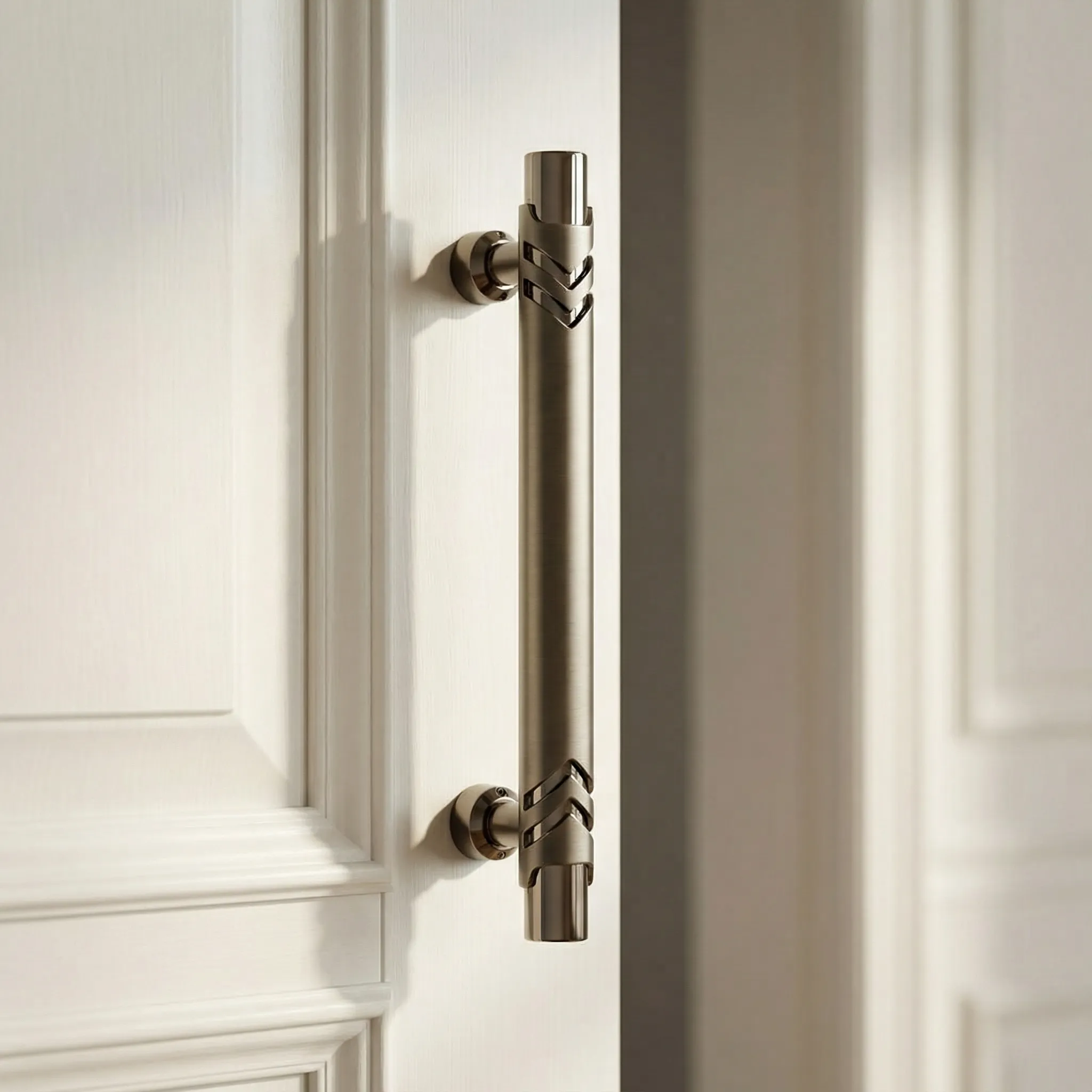
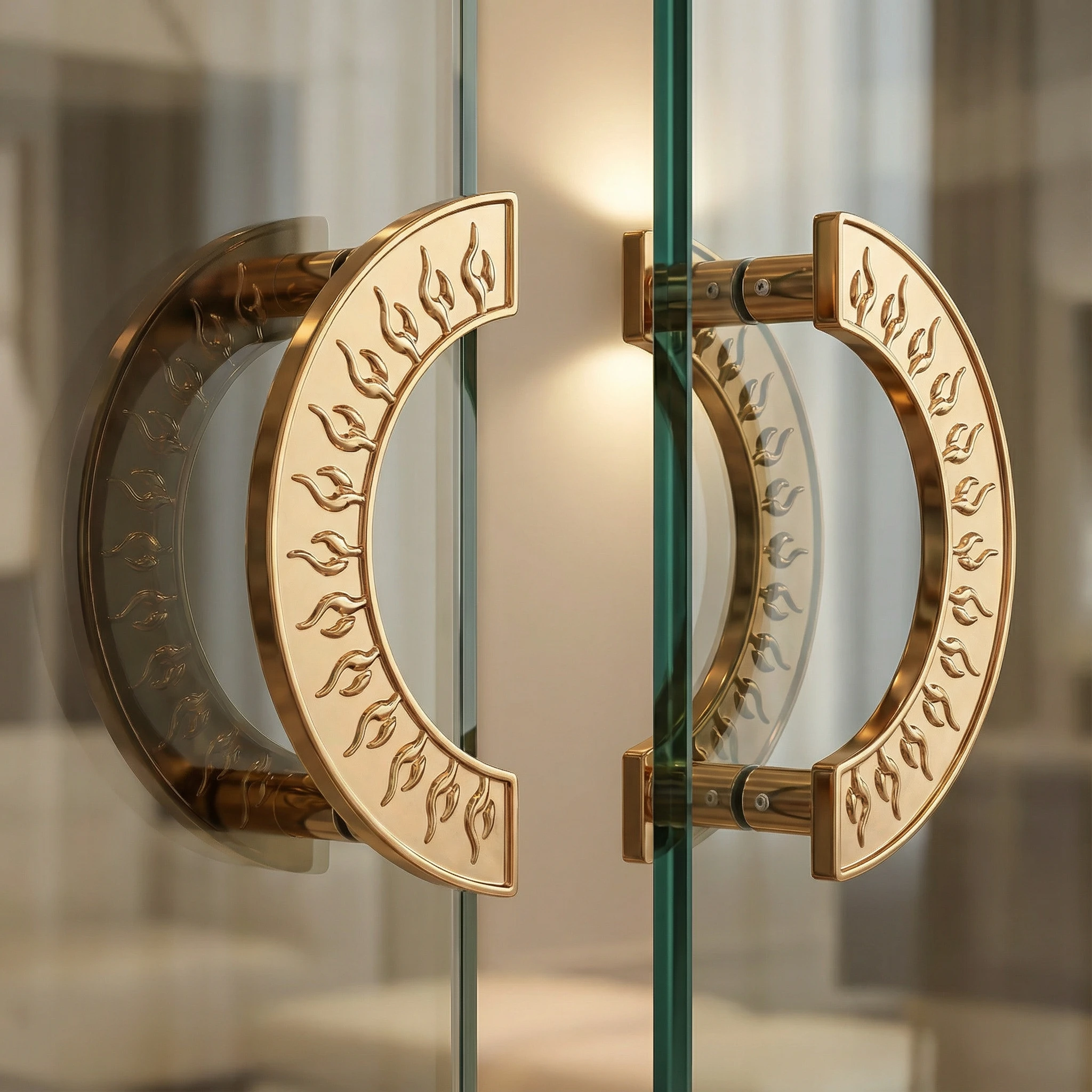
Your entrance is the first thing guests see, so the Main Door Handle deserves special attention. It must be strong, weather-resistant and attractive. Popular choices include:
- Pull handles: Long, bold handles that suit wooden and glass entrance doors.
- Lever handles: Easy to use, good for families with kids and elders.
- Pair handles: Matching handles on both sides for a balanced look.
For main entrances, stainless steel (SS 304) and brass are popular because they resist rust and wear.
Mortise Handle
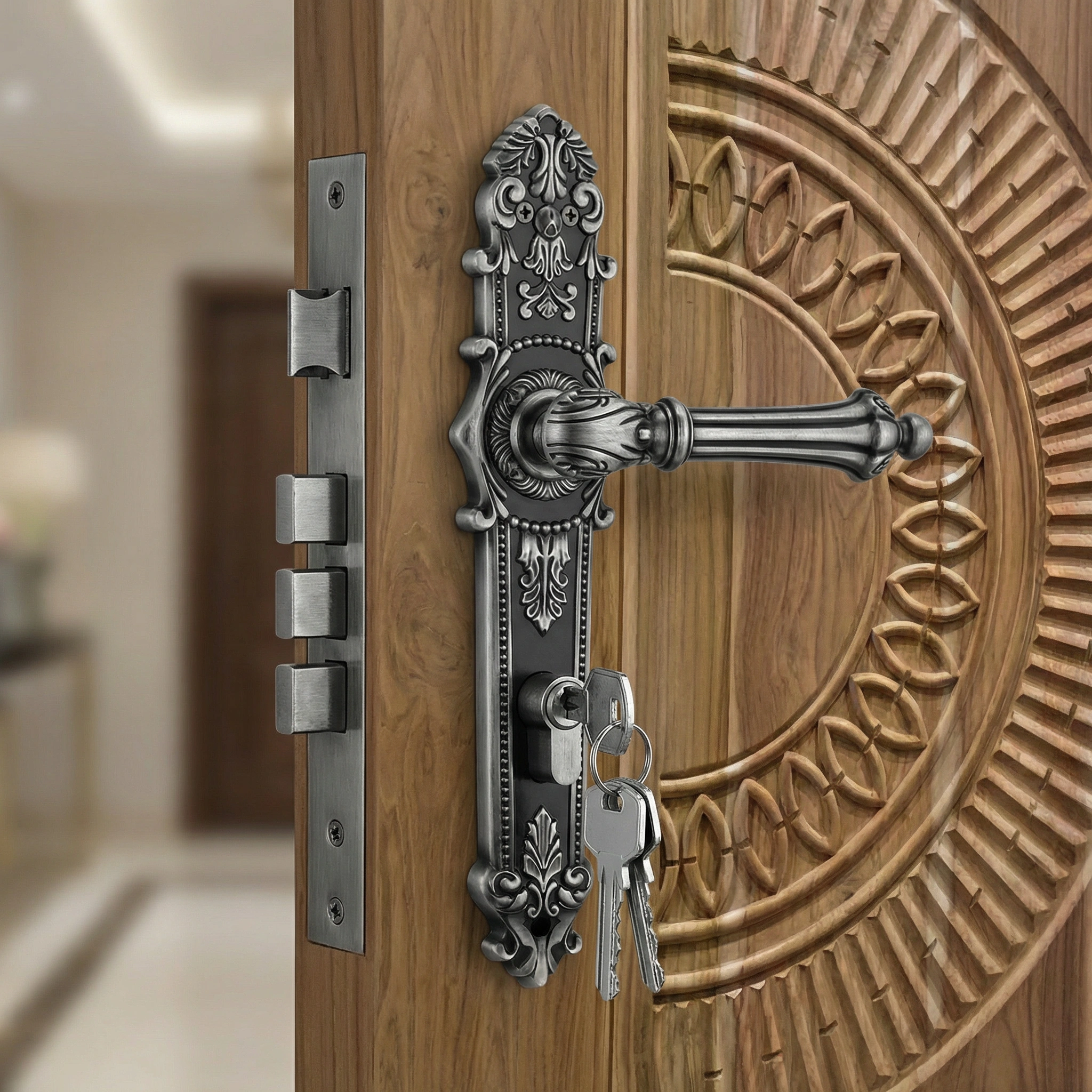
A Mortise Handle works with a mortise lock, where the lock body fits inside a cut-out (mortise) in the edge of the door. This gives a clean look because the lock mechanism is hidden inside the door. Mortise handles are popular for bedrooms, offices, hotels and apartments because they are sturdy and secure. They come in many finishes, including matte black, antique brass and chrome.
2. Cabinet and Furniture Hardware
Kitchens, wardrobes and storage units use many small fittings that carry a lot of weight and see constant use.
Cabinet Handle
A Cabinet Handle is the part you touch every day, so comfort matters as much as looks. Handles come in different lengths, called center-to-center distance (96 mm, 128 mm, 160 mm and more). Always measure your drilled holes before buying. Bar handles, D-handles and T-bar handles are the most common styles.
Cabinet Knob
A Cabinet Knob is a small, round or shaped fitting that you grip with your fingers. It works beautifully on drawers, small cabinets, vanity units and kids’ furniture. Knobs in ceramic, brass or crystal add a classic or vintage touch, while simple metal knobs suit modern spaces.
Conceal Handle
If you love a minimal, clutter-free look, a conceal handle is for you. It is installed on the edge or inside the shutter, so you only see a thin line instead of a protruding handle. It is a favorite in modular kitchens and modern wardrobes. Because nothing sticks out, it is also safer in narrow spaces and for homes with small children.
Kitchen Profile Handle
A Kitchen Profile Handle is a long aluminum channel that runs along the full length of a cabinet door or drawer. It gives a sleek, seamless look and lets you open the shutter from the top or side with your fingers. These profiles are available in anodized, matte black, gold and champagne finishes. If you are planning a modern modular kitchen, this is one of the most stylish choices.
3. Architectural Hardware
Architectural hardware covers the heavier, more specialized fittings used in buildings such as hotels, offices, malls and large residential projects. This includes door closers, panic exit devices, floor springs, glass door fittings, sliding systems and heavy-duty hinges. A reliable Architectural Hardware Product Manufacturer supplies products that meet safety standards and can handle heavy, continuous use.
How to Choose the Right Hardware Fittings
Here are some simple tips before you shop:
- Match the use: Choose heavy-duty fittings for main doors and lighter ones for decorative furniture.
- Check the finish: In humid or coastal areas, pick corrosion-resistant finishes.
- Measure carefully: Handle sizes and hole distances must match your door or shutter.
- Think of your interior theme: Matte black suits modern homes, while brass suits classic ones.
- Keep consistency: Using the same finish across handles, knobs and locks makes the whole home look planned.
- Check the source: Buy from a reputed Door Handle Manufacturer that offers a warranty and consistent quality, instead of unbranded products that may fade or break quickly.
How to Care for Your Hardware Fittings
A little maintenance goes a long way:
- Wipe handles with a soft, dry or slightly damp cloth.
- Avoid harsh chemicals and abrasive scrubbers, which can damage the finish.
- Tighten loose screws every few months.
- Apply a drop of lubricant to locks and hinges once or twice a year.
Final Thoughts
Hardware fittings may look small, but they decide how your doors, kitchens and wardrobes feel every single day. From a bold Main Door Handle to a subtle conceal handle, each piece has a purpose. Learn the types, check the materials, measure carefully and choose quality, and your space will look good and work smoothly for years.
Planning a new home or a renovation? Take a little extra time on hardware. It is a small decision that makes a big difference.
Frequently Asked Questions
Q1. What are hardware fittings?
They are small components such as handles, knobs, hinges and locks that help doors, cabinets and furniture function and look good.
Q2. Which material is best for a main door handle?
Stainless steel and brass are the most popular because they are strong and resistant to rust and weather.
Q3. What is the difference between a cabinet handle and a cabinet knob?
A handle is a long grip you hold with your fingers or hand, while a knob is a small, single-point grip, usually round.
Q4. Are conceal handles good for kitchens?
Yes. They give a clean, modern look and avoid protruding parts, which makes them a good fit for modular kitchens.